Information
Championing Avian Conservation and Community Engagement Across Texas
Bird City Texas is a certification program that recognizes communities dedicated to bird conservation, habitat management, and public engagement. Developed through a partnership between Audubon Texas and Texas Parks and Wildlife Department, the initiative encourages municipalities to adopt practices that support healthy bird populations and foster a culture of environmental stewardship.

Goals and Missions
Bird City Texas aims to:
- Protect, restore, and enhance urban bird habitats
- Promote environmental education and community involvement
- Celebrate the cultural and ecological importance of birds
- Inspire cities to create green spaces and support migratory birds

Certification Criteria
To achieve Bird City Texas certification, communities must meet standards in several categories:
- Habitat Creation and Restoration: Cities implement landscaping practices, native plantings, wetland restoration, and preservation of open spaces to provide essential resources for birds.
- Threat Reduction: Efforts such as window collision prevention, responsible outdoor lighting, and reduction of pesticide use help minimize risks to birds.
- Education and Outreach: Certified cities host events like bird festivals, workshops, and citizen science programs to raise awareness and encourage residents to participate in bird-friendly activities.
- Community Engagement: Partnerships with schools, businesses, and conservation organizations expand the impact of bird conservation efforts across neighborhoods.

Impacts and Benefits
Communities recognized as Bird City Texas gain visibility for their commitment to sustainability and wildlife. Certified municipalities foster pride among residents, attract eco-tourism, and contribute to vital conservation efforts that benefit both birds and people. Bird City Texas also provides access to resources, guidance, and a supportive network of like-minded communities.
Joe Matthews Park
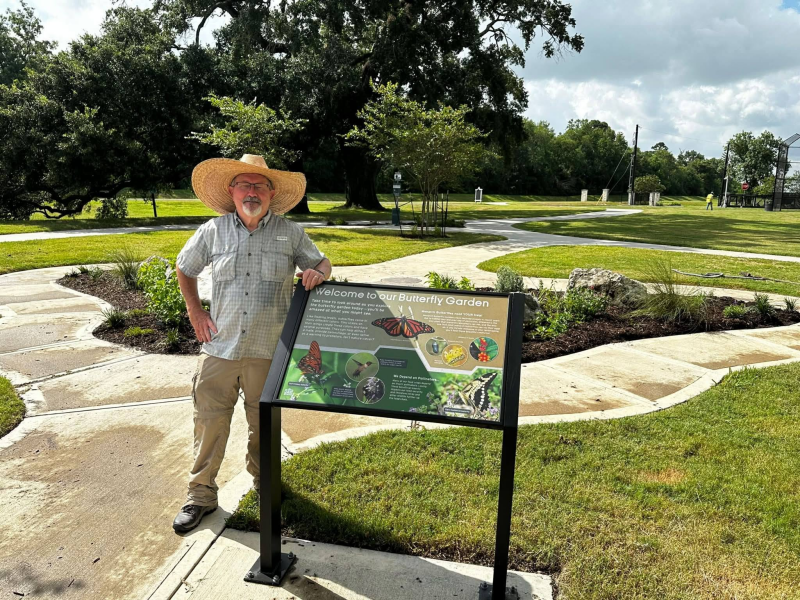
Joe Mathews Native Plant Landscape Garden
View Garden and Plant Details
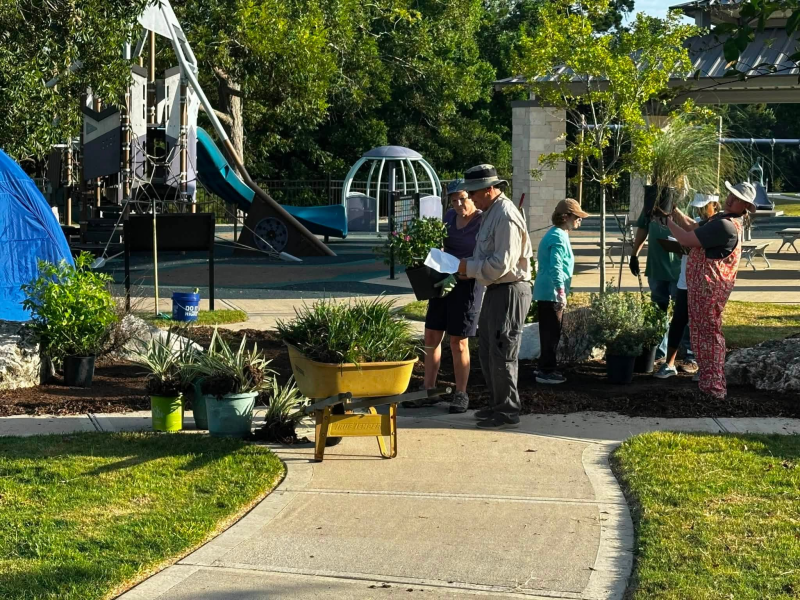
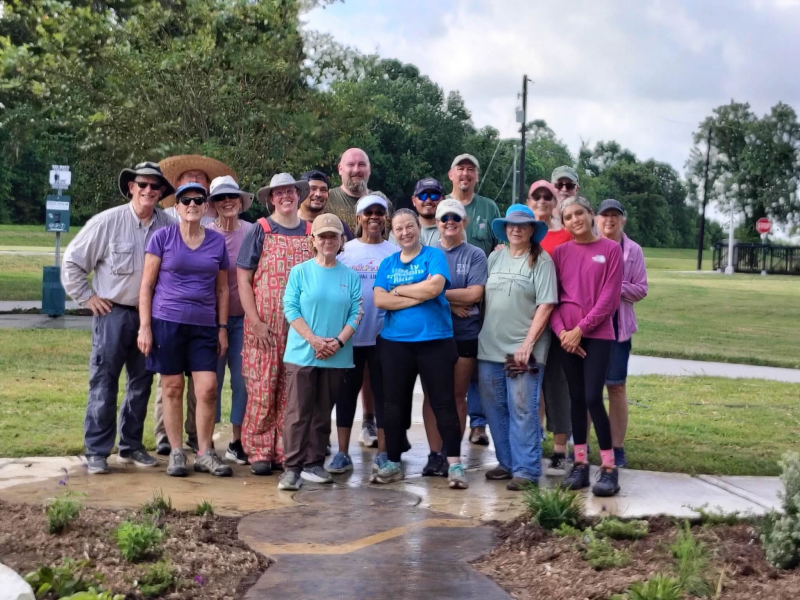
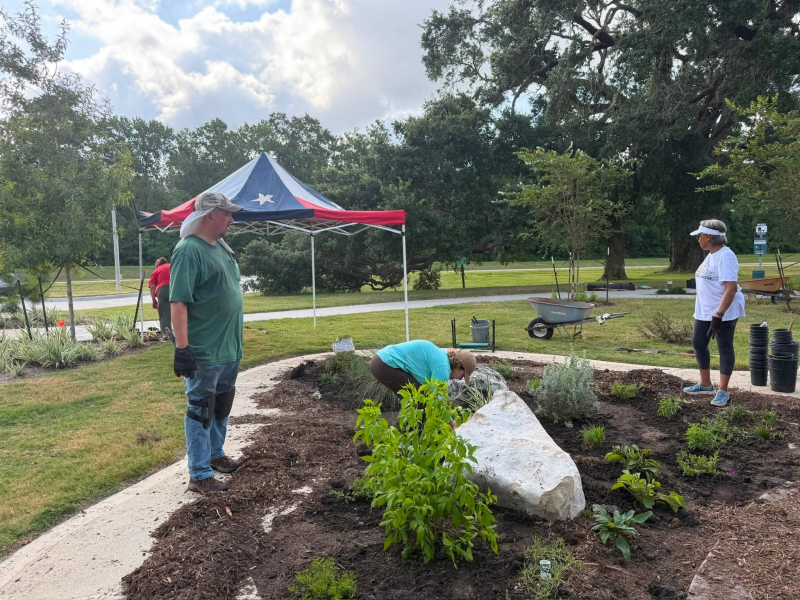
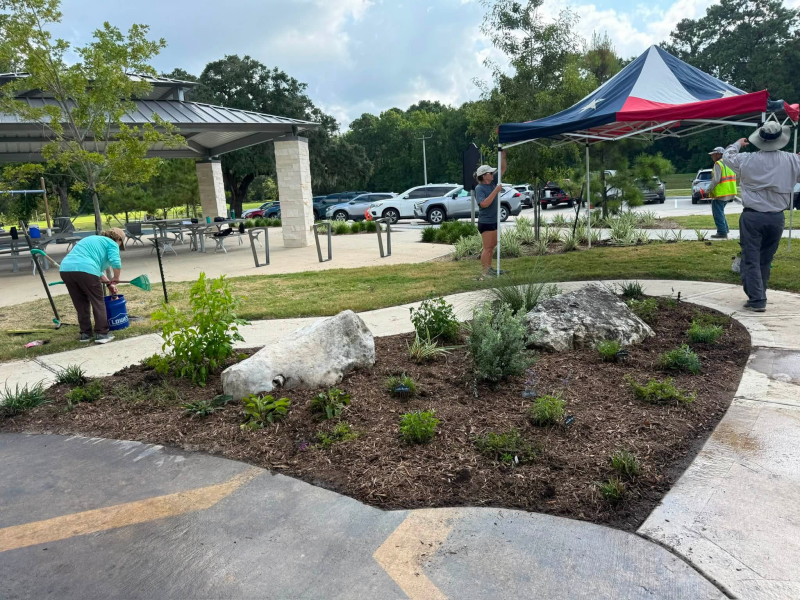
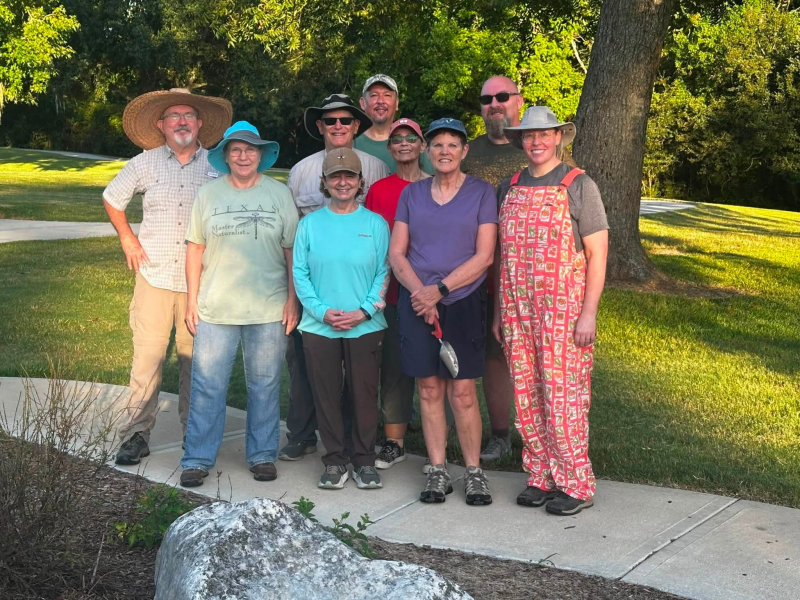
The Joe Mathews Native Plant Garden demonstrates how native species can be used in bird-friendly, home landscapes. Volunteers from the Lower Trinity Basin-Texas Master Naturalist and the Lower Trinity Valley Bird Club designed and installed the garden, and they continue to maintain and improve it. The finished beds reflect months of plant selection, site review, layout design, and collaboration with the City of Mont Belvieu.
Native perennials offer sustainable, low-maintenance landscaping that saves money, conserves water and restores wildlife habitat. Adapted to local climate and soil, they thrive for years with less upkeep than exotic plants
Environmental and Practical Benefits
- Minimal Maintenance: Established perennials need little replanting, pruning, or soil adjustment.
- Water Conservation: Deep roots match regional rainfall, reducing or eliminating summer irrigation.
- No Harsh Chemicals: Local pest and disease resistance reduces the need for synthetic fertilizers and pesticides.
- Erosion Control: Fibrous roots hold soil, stabilize banks, and improve rainwater infiltration.
Habitat and Wildlife Benefits
- Essential Food Sources: Native plants provide nectar, seeds, and pollen for local bees, birds, and butterflies.
- Caterpillar Host Plants: Many native perennials support native insects; milkweed is essential for monarch reproduction
- Biodiversity Support: Diverse native gardens create resilient habitat for soil microbes and wildlife
Cost and Aesthetics
- Cost-Efficient Multiplying: Healthy perennials spread and can be divided into free new plants every two to three years
- Seasonal Beauty: They add regional character with changing textures, blooms, and fall color.
A bird-friendly garden is one that gives birds the basic things they need to survive and safely use the space:
- Native plants that provide natural seeds, berries, nectar, and insects.
- Shrubs, grasses, and small trees for cover, so birds can hide from predators and bad weather.
- Layered habitat—flowers and grasses low to the ground, shrubs in the middle, and trees above.
- Food through the seasons, especially native plants that produce berries, seeds, or attract caterpillars and other insects.
- Clean water, such as a shallow birdbath or small water feature.
- Safe nesting places, including dense shrubs, native trees, or nest boxes where appropriate.
- Limited pesticides and herbicides, because birds depend on insects and healthy habitat.
- Reduced hazards, such as keeping cats away from the garden and reducing window collisions.
For planting ideas, explore these regional resources and download the Wild Thumb app which helps Texans choose native plants that support pollinators for our area.
Getting Involved
Cities, towns, and local organizations interested in becoming Bird City Texas certified can learn more through Audubon Texas or Texas Parks and Wildlife Department. By undertaking public education initiatives, creating bird-friendly spaces, and celebrating birds through annual events, communities play a leading role in securing a vibrant future for birds throughout Texas.
Bird City Texas shines as a model for how communities can unite around conservation, learning, and the joy of birdwatching—benefiting generations to come.